Astay Hiuga: A Script Font for Work That Needs Personality
When you’re browsing for a new typeface, especially a script, you’re looking for something that solves a problem. It’s not about collecting fonts; it’s about finding a tool that brings a specific mood to a specific project. Astay Hiuga showed up in my library recently, and I put it through the usual tests before considering it for any client work or my own brand assets. Here’s what I found.
The First Impression: Casual Confidence
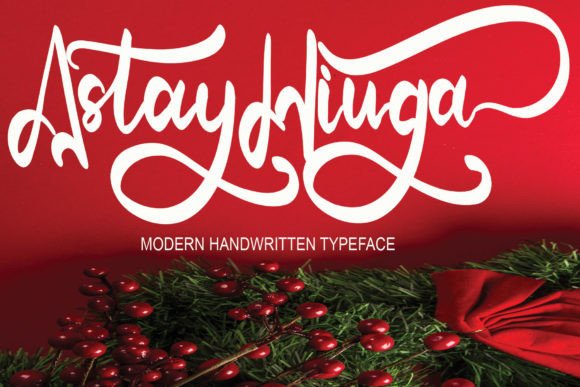
Astay Hiuga doesn’t shout. It has a relaxed, confident personality. The letters feel like a natural, steady hand wrote them—there’s a consistent flow without being overly rigid or overly whimsical. It sits comfortably between a formal script font and a loose handwritten font. The mood it creates is modern, approachable, and a touch premium. Visually, it belongs to projects that want to feel human and crafted, but not messy or childish.
My immediate thought was that this is a typeface for branding that needs warmth. It wouldn’t fit a cold, tech startup, but it could be perfect for a boutique skincare line, a specialty coffee roaster, a creative agency selling personality, or a blogger building a personal, trusted space.
Putting Astay Hiuga to Work in Real Projects
I never judge a font by its specimen sheet alone. I drop it into mockups. Here’s how Astay Hiuga performed across common design tasks.
For Brand Marks and Logo Design
This is where Astay Hiuga shines for short names or wordmarks. It has enough unique character to be memorable without being distracting. I tested it on fictional brand names for a ceramics studio and a small bakery. In a single-color logo, the font held its form well; the letters are distinct. It works best when the logo is the focal point, not crammed beside complex graphics. For a brand identity, this could be a strong primary display font.
On Packaging Design and Product Labels
Here, you need a font that balances artistry with clarity. Astay Hiuga added a handcrafted feel to a simple soap box mockup and a wine bottle label. It feels premium because of its steady rhythm—it doesn’t look hastily drawn. It’s excellent for the main product name on premium packaging, but I’d be cautious using it for long descriptive text or mandatory legal information. Readability drops at very small sizes.
In Digital Spaces: Websites and Social Media Graphics
For website headers or key blog graphics, Astay Hiuga creates strong visual entry points. It draws the eye. In social media graphics, especially for quotes or promotional posts for a creative business, it boosts engagement by breaking the monotony of standard sans serif fonts. It performs well in digital ads where the message is short and emotional. However, never use it for body text on a website. Its role is purely decorative and hierarchical.
For Printable and Merchandise Design
This is a great fit. On invitations, posters, or flyers for an event that wants a modern, personal touch, Astay Hiuga sets the tone. For merchandise like tote bags or mugs, where a short phrase or brand name is featured, it translates well to physical products. I also considered it for digital products like Canva templates or Cricut projects for crafters—its clear outlines and distinct letters make it a practical creative font for these uses.
Where to Use Astay Hiuga Carefully
Every font has its limits. Knowing them prevents design mistakes. Astay Hiuga is a display font. Its natural home is in large headlines, short phrases, brand marks, quotes, and decorative accents. Use it for supporting text only if that text is very brief, like a subtitle, and at a reasonably large size. In long paragraphs, it fails completely.
Always test it in black and white first. A good font holds its personality without color. Astay Hiuga does. Also, check its readability at the actual size you intend to use. For instance, on a product label where the font might be smaller than on a poster, test a physical print mockup. The spacing between letters is comfortable, but at tiny sizes, the script connections can blur.
The Designer’s Practical Notes on Pairing and Use
A font never works alone. It’s part of a system. I tested Astay Hiuga beside several typefaces to see what supports it.
- With a clean sans serif font: This is the most practical pairing. A neutral sans serif for body text lets Astay Hiuga pop as the headline or accent font. It creates clear hierarchy.
- With a serif font: A modern, minimal serif font can also work, adding a touch more classic structure to the modern typography feel.
- With other script or handwritten fonts: I’d avoid this. Pairing it with another script usually creates competition and clutter. Let Astay Hiuga be the sole script voice.
Compare its uppercase and lowercase. The capitals are distinctive but not overly ornate, so they can work well in acronyms or single-letter logos. The lowercase flow is where its true character lies.
On Brand Consistency and Audience Trust
Choosing a font like this affects brand perception. Astay Hiuga, used consistently as a brand’s signature display font, builds recognition through its unique but not erratic style. It can foster trust with an audience looking for authenticity and human touch. It feels professional because it’s well-crafted, not sloppy. For a brand owner or marketer, this means the font supports a story—one of craftsmanship, personal attention, or modern creativity.
The Final Step Before You Use It
If you’re considering Astay Hiuga for commercial font use—client work, selling products, or business branding—always confirm the licensing. Most fonts from platforms like Script Amp have clear licenses, but verify it covers your intended use: web, print, merchandise, or digital product embedding. Don’t skip this.
Astay Hiuga is a useful tool. It won’t solve every project’s needs, but for work that requires a blend of casual and confident personality, it’s a strong contender. It’s not hype; it’s a practical, solid design asset for the right job. Try it on your real mockups, see if it speaks for your project, and use it where it belongs—at the forefront, making a human connection.